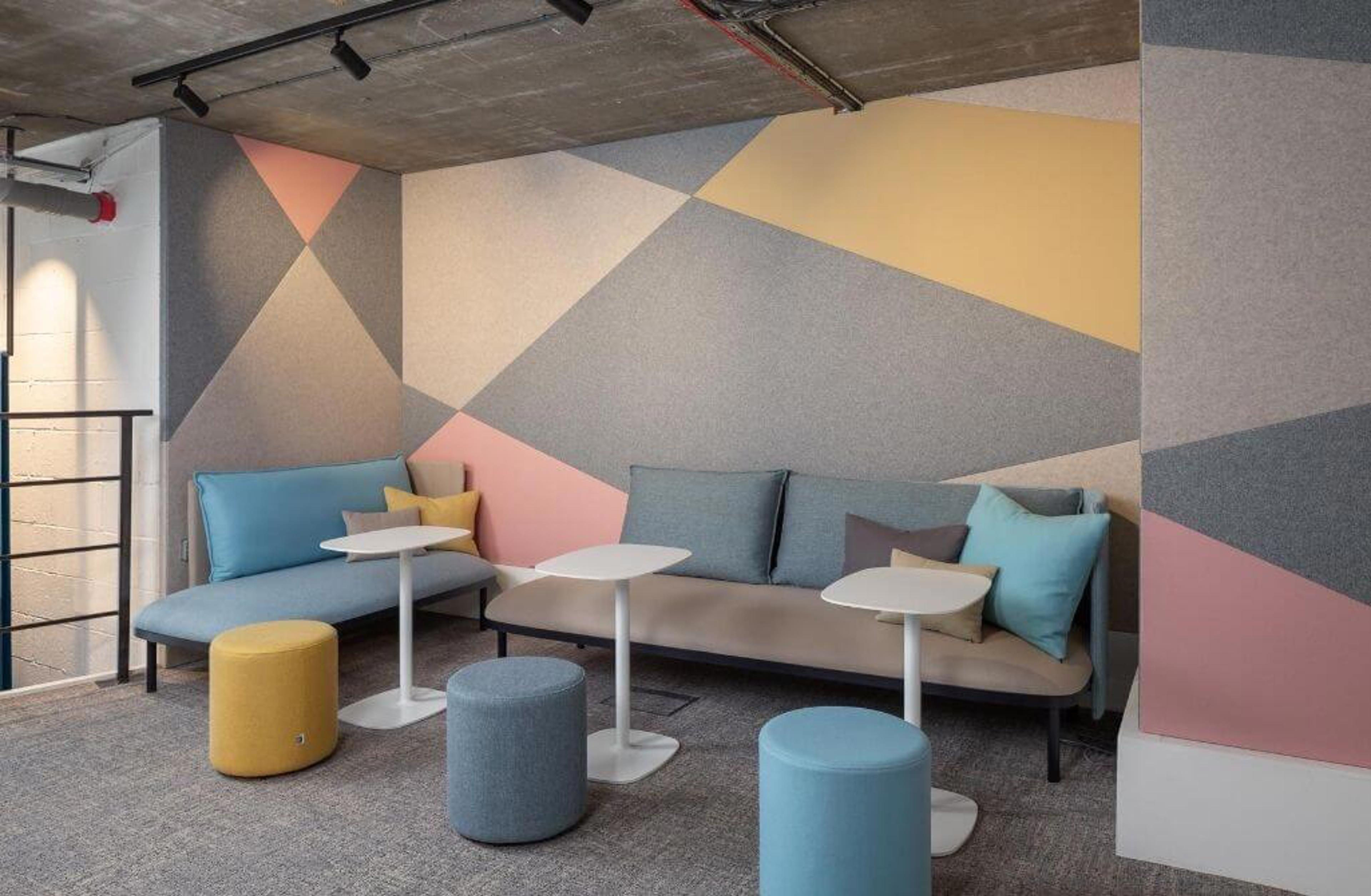
Camira discuss acoustic fabrics with Resonics
As we move forward from the pandemic, we are seeing an uptick in demand for panel and screen products. Not only are they paramount to keeping employees safe in our new world which has a heightened awareness of hygiene and sanitation, they are also key to ensuring offices and public spaces have effective acoustic solutions.
With this in mind, we’ve caught up with UK interior acoustic specialists, Resonics, to ask them how they see fabric being the future to achieving COVID-secure and acoustically sound spaces…
How has the demand for acoustic panels changed since the start of the pandemic?
As you would expect, we have received increased enquiries from people looking to improve the acoustics in their homes. People really are noticing poor acoustics when working from home and on a conference call. We are also seeing a higher demand for improving commercial meeting room acoustics. The pandemic has caused an increase in the use of audio-visual equipment for staying connected. How these rooms perform acoustically has been brought into sharp focus.
Are you seeing a shift in how designers and architects factor acoustic panels into their designs?
Definitely. We’ve seen office designs change so much over the past 5-10 years. The trend has been a movement towards open plan offices with exposed concrete soffits, and hard surfaces. Traditional suspended ceilings and carpet tiles are less common than they used to be, especially in London. Glass, stone, timber, and tiled finishes have increased. The problem here? Sound is bouncing around with nowhere to go. Architects now know they need to do something additional to mop up sound within the office. This is one of the main reasons we are seeing a trend for acoustics specified on every single project.
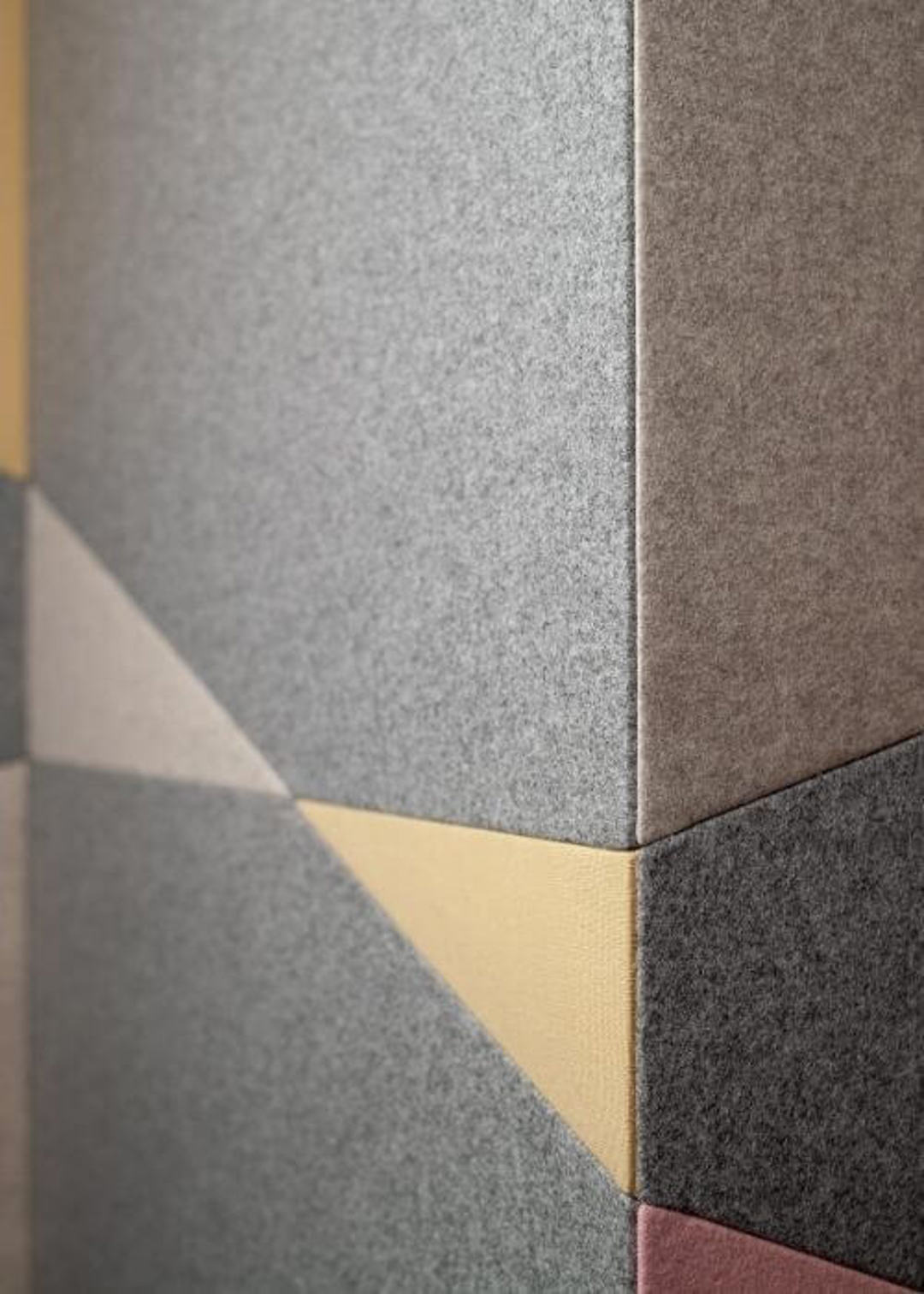
When it comes to specifying a fabric for a panel product, what are the main attributes you look for?
Does this differ from what an interior designer/architect tends to look for?
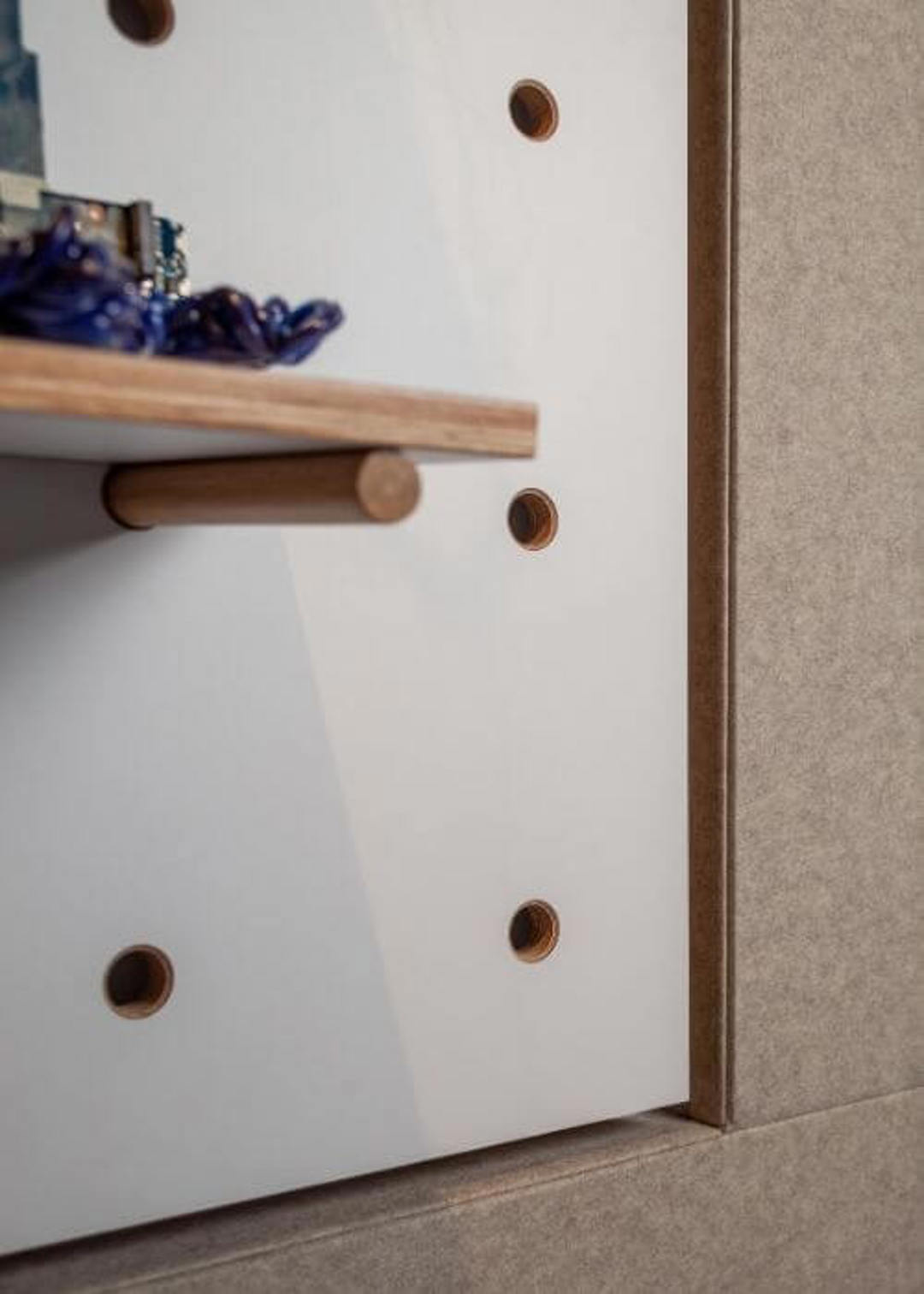
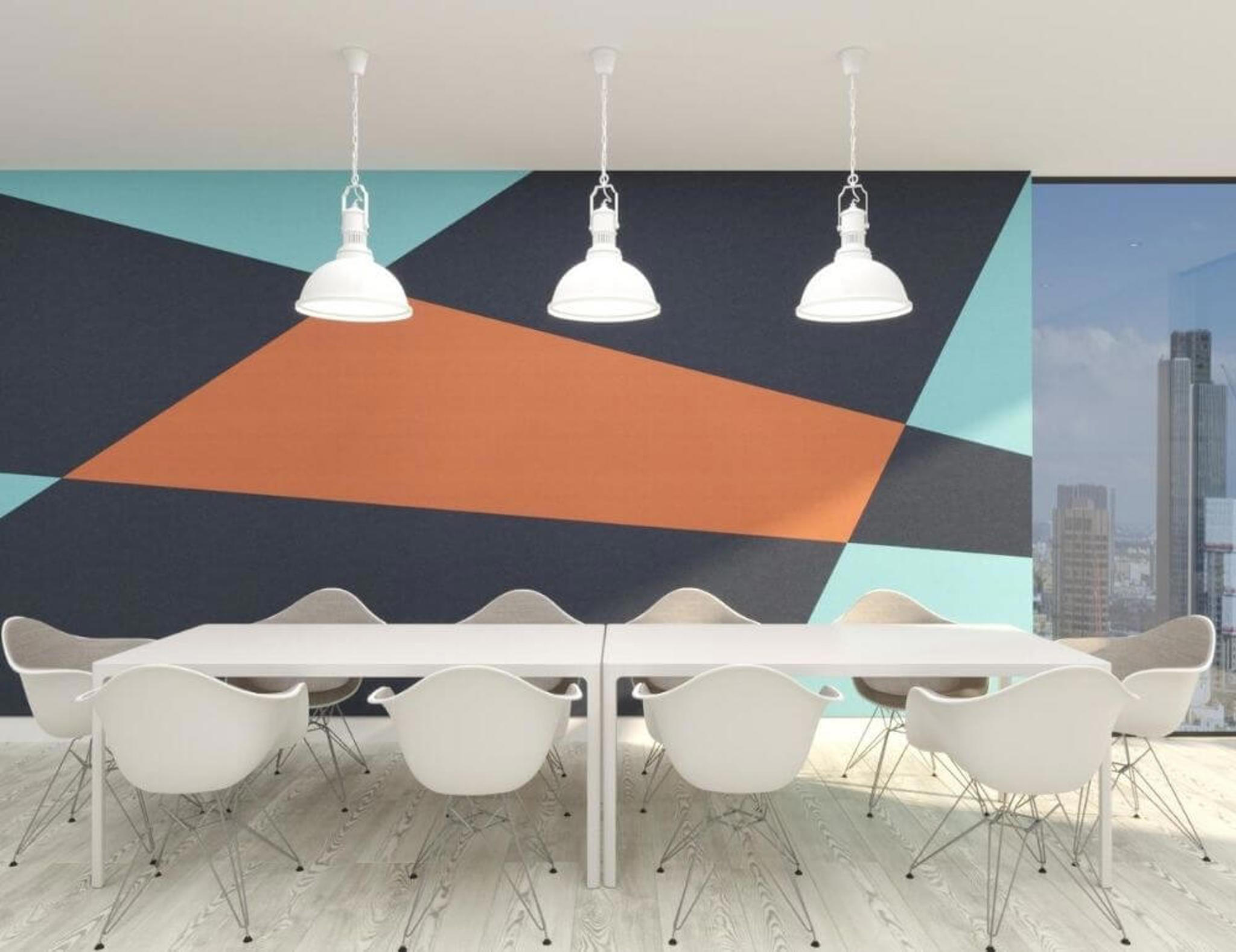
How much does sustainability play a role in fabric choice?
Have you spotted any specific trends emerging in your sector?
In terms of aesthetics, we’re seeing a surge of neutral colours being specified, along with fabrics that have quite an obvious weave or texture to them, rather than flatter wool products. From what we’ve seen coming through from Camira, we’re excited by the new Japanese inspired worsted yarn product, set to launch in October.
We know that acoustic panels are proven to increase concentration and productivity and that they allow for effective communication and privacy. What are the other advantages of your specific products?
Essentially, our stretch fabric system control reverberation within rooms and cellular spaces. Deadening sound and reducing echo, our products also enable good clarity of speech, which is often an issue within modern offices full of hard surfaces. Suspended ceilings, tiles and exposed concrete soffits, for example, all create a very noisy, reverberant space.
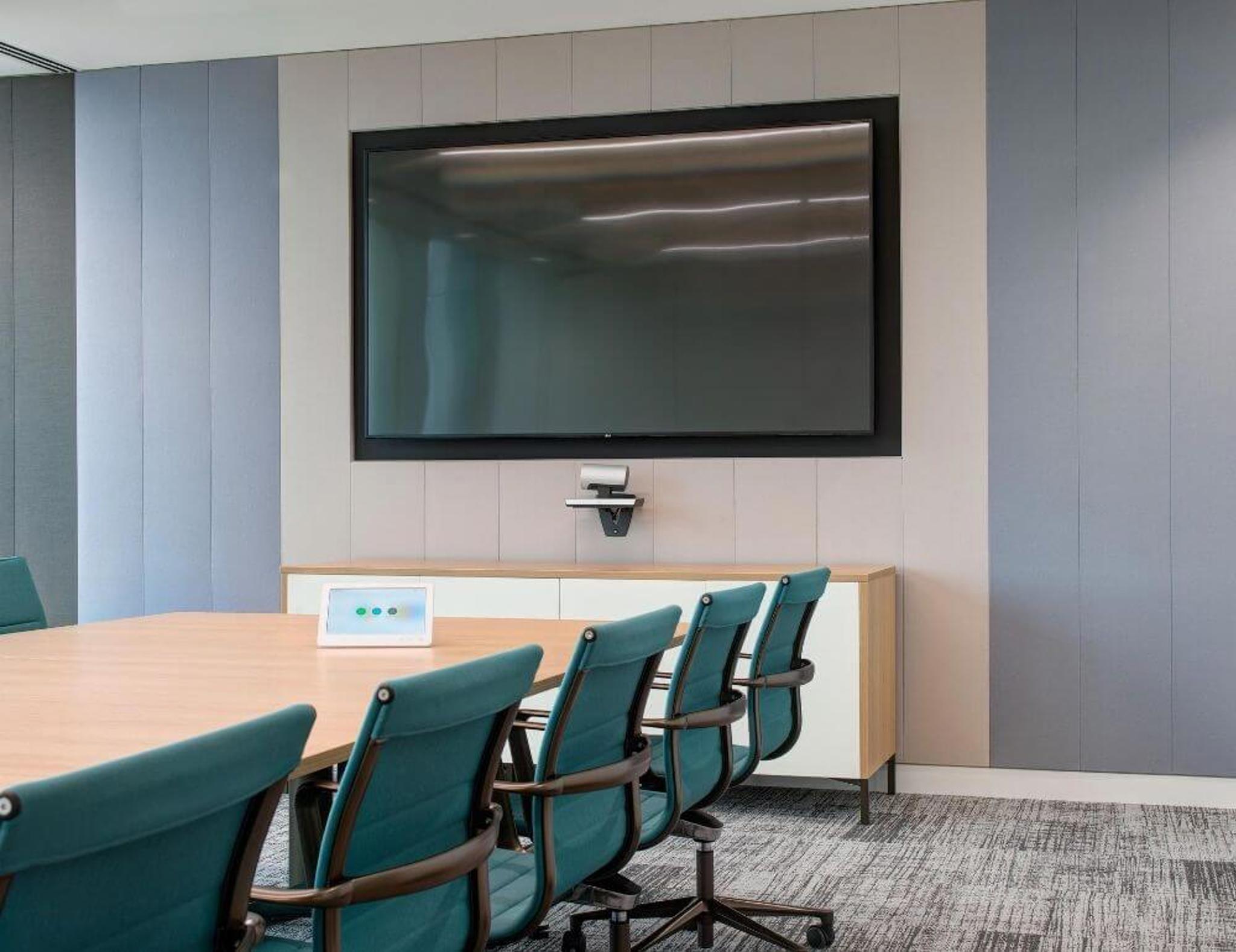
Good acoustics can improve...
Ability to focus by more than 40% - David M. Sykes, Ph.D., “Productivity: How Acoustics Affect Workers’ Performance In Offices & Open Areas”
Concentration by up to 50% - Weinstein, University of California, Berkeley, 1974, “Effect of noise on intellectual performance”, Journal of Applied Psychology 1974, vol. 59, no 5, 548–554
Good acoustics can reduce...
Where do you see the future of acoustic panels headed?
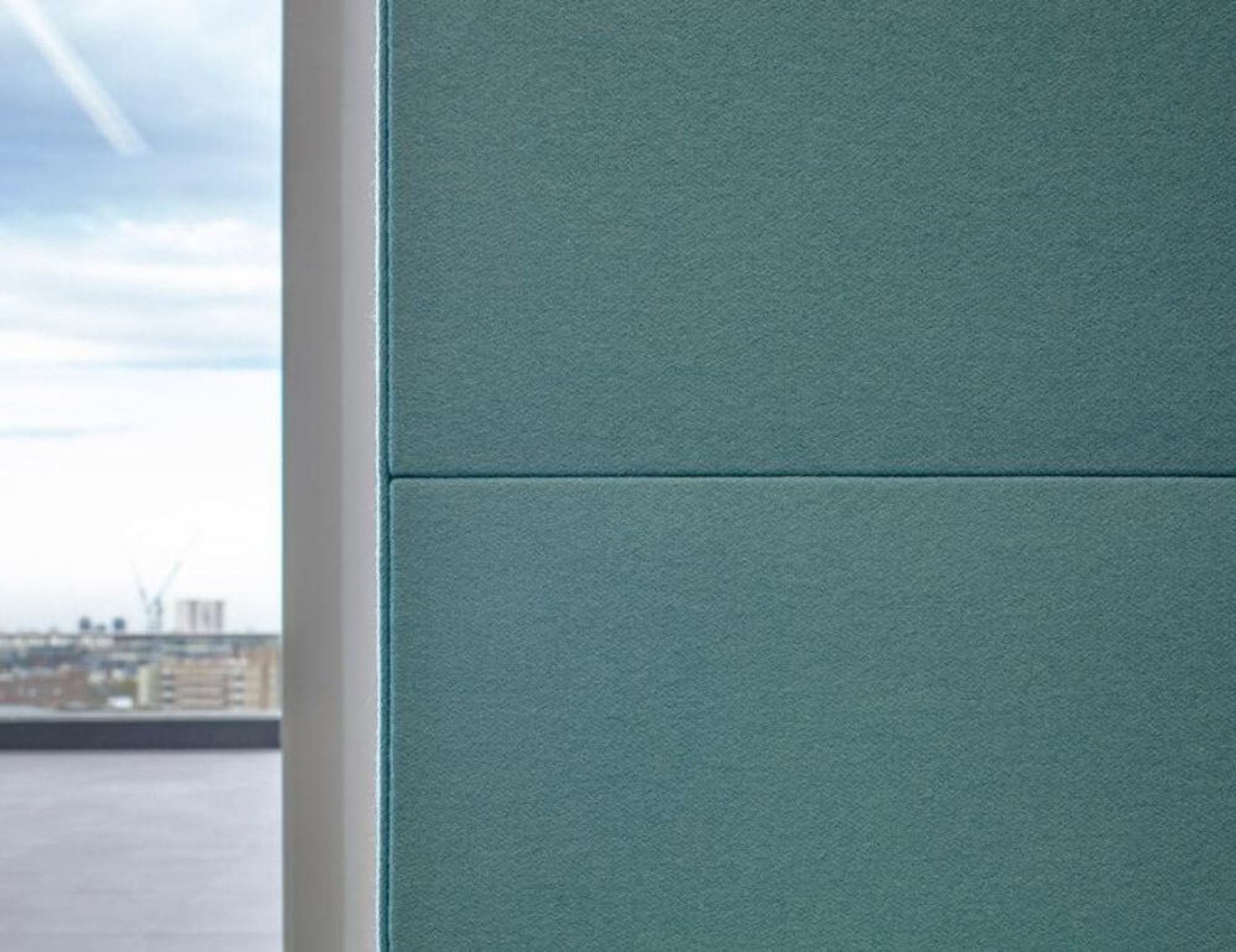
Stretched fabric systems are still one of the most common methods for controlling reverberation and achieving good acoustics, providing the benefits as described above. Regular, new, and exciting fabric ranges, with a focus on sustainability, we believe, will only increase the use of stretched fabrics.
What would your advice be to clients worried about maintaining, cleaning and disinfecting fabric panels in the post-COVID world?
Just as you would expect to regularly clean and maintain upholstery products within the workplace, the same maintenance and cleaning advice would be applicable to fabric panels. The great thing about the track system we use is that the fabric can be easily unclipped to clean/maintain.
To find out more about the acoustic solutions Resonics offer, visit their website or check them out on: